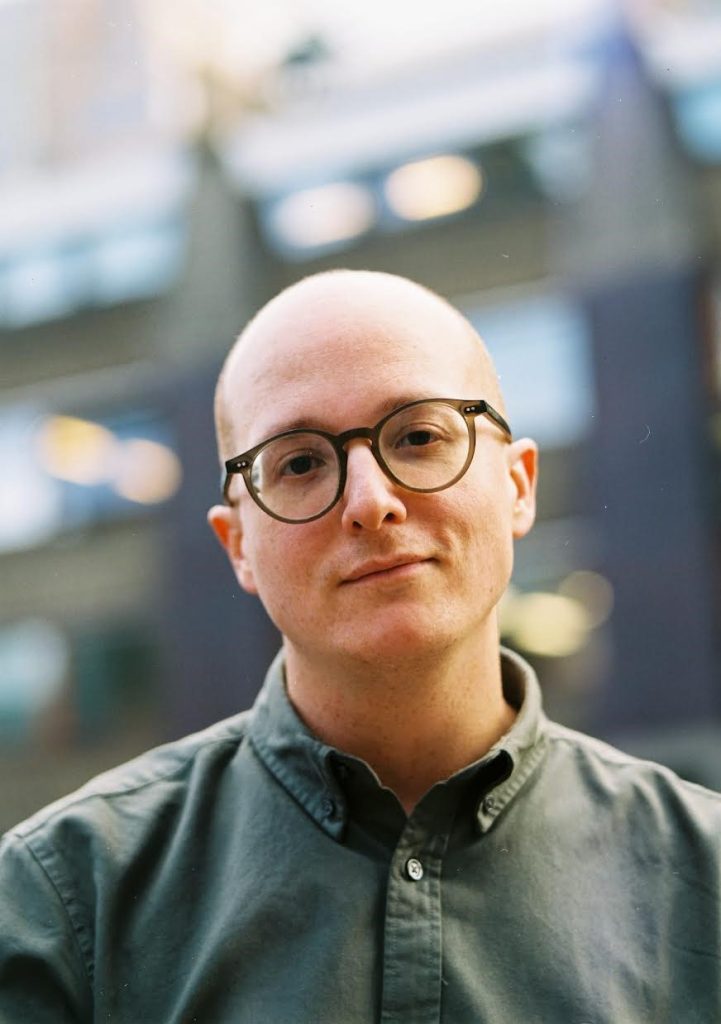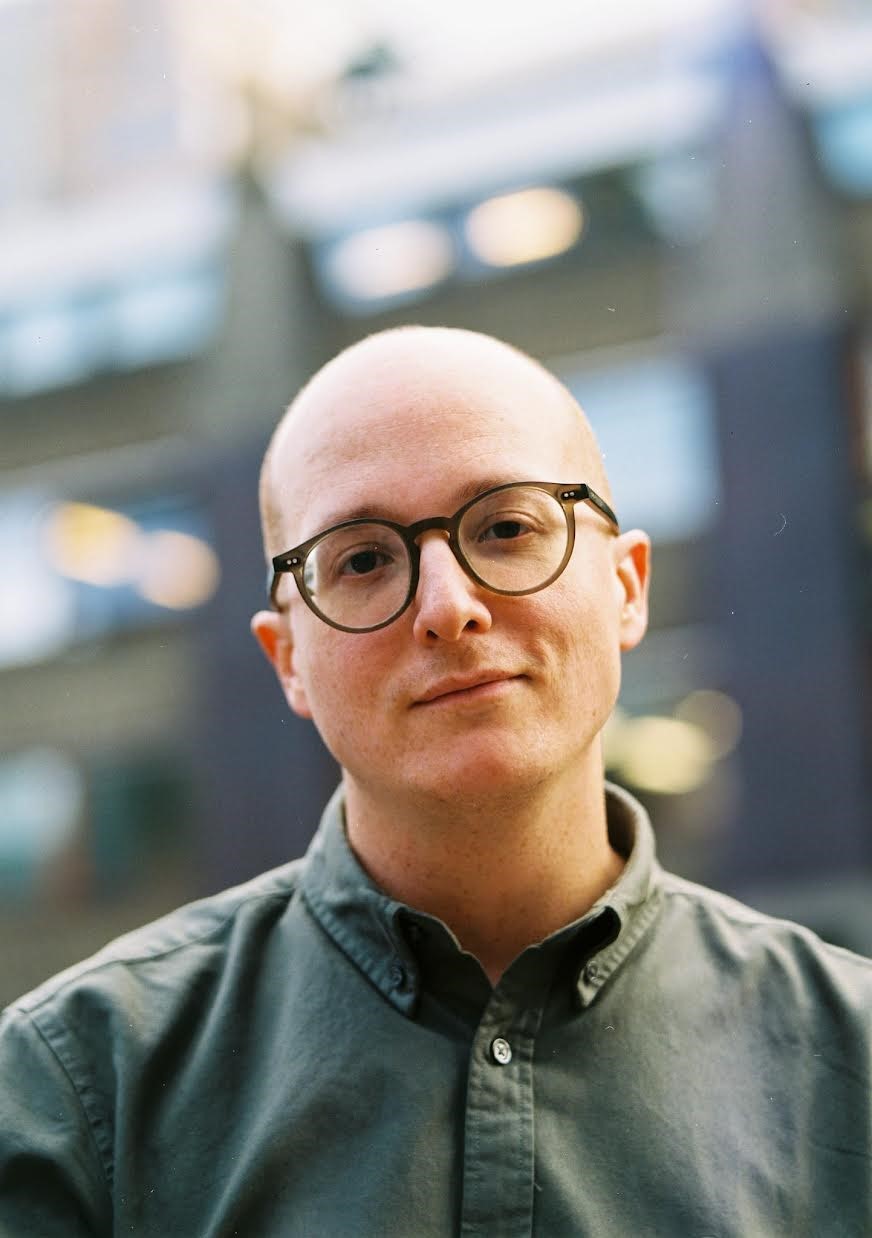
Collin Browne
About the Therapist
Originally from the United States, I have over a decade of experience practicing with adults and young adults in a variety of settings: hospitals, inpatient psychiatry, community-based mental health charities, LGBTQIA+ clinics, and private practice. I have trained and practiced in both the US and the UK, the latter where I'm currently a member of East London Relationship Therapy (ELRT) in Hackney. I originally received my Master's degree in the US as a Clinical Social Worker, where I studied and practiced psychotherapy from a social justice perspective in marginalized, largely immigrant communities in the Boston area.I run a private practice in Shoreditch High Street, walking distance from the nearby overground station as well as Old Street and Liverpool Street stations. I offer weekly sessions in person, online, and in hyrid arrangements depending on my schedule's availability. I specialize in working with people who have LGBTIA+ identities, are experiencing relationship difficulties (including non-traditional relationship styles such as ethical non-monogamy, polyamory and open relationships), come from personal or familial immigrant histories, and people who work in the creative industries or are struggling with their relationship to work. I am also currently engaged in writing and research on the interactions between mental health, economics, and contemporary creative labor.
- Heterosexual
- Other
- Queer
I am an accredited and registered member of the British Association for Counselling and Psychotherapy (BACP), and proof of this qualification can be viewed here. I have a Master's degree in Clinical Social Work from Smith College in Northampton, Massachusetts, and I did further clinical training in London at Manor House Centre for Psychotherapy and Counselling.
| Award | Awarding body | Year of award |
|---|---|---|
I practice psychodynamic psychotherapy, which is a form of talk therapy that identifies patterns in someone's relationships and emotions and connects them to unresolved past experiences. The theory is that lasting progress and reduced mental distress come from resolving these past conflicts which unconsciously continue to cause difficulties in the present. Unlike some other therapies, it focuses on the 'why' of a person's symptoms and struggles—the root causes. In this way, it significantly differs from less intensive therapies such as cognitive behavioral therapy (CBT) and its various derivatives which do not offer such depth. Research shows psychodynamic therapy provides more lasting effects, with change continuing even after the therapy has ended, whereas the effects of CBT and related low intensity therapies more often produce relapse of symptoms.
- Brief dynamic
- Consultation
- Existential
- Humanistic
- Person-Centred
- Psychodynamic
- Psychodynamic (Freudian)
- Psychodynamic (Kleinian)
- Relational
- Relationship therapy
- Supervision
- Ace | Asexual
- BDSM | Kink
- Bi- | Pansexual
- Consensual non-monogamy
- Cross-dresser
- Gay
- Intersex
- Lesbian
- Neurodivergent
- Non-binary | Genderqueer
- Queer
- Questioning
- Survivors of attempted conversion therapy
- Trans
- One to one
- Two people
- Three or more people
- No adaptation
- Adults
- Young adults (16-24)
- Online
- In Person
£100 per 50-minute session. I also do reserve a limited number of reduced fee slots in my schedule that are in high demand but do occasionally become available, so please feel free to enquire to be added to the waitlist for these slots.
Sorry, no records were found. Please adjust your search criteria and try again.
Sorry, unable to load the Maps API.