
Paula Hennighan
About the Therapist
I know how hard it is to be able to deal with emergencies and trauma one minute and to find it hard to function and complete basic tasks the next. I know first-hand how isolating and debilitating grief and trauma can feel – how it can leave you feeling confused, isolated and lonely, how the anxiety can leave you exhausted all day and yet unable to sleep at night, how flashbacks and fragments of memories can pop up when you least expect it, how a song whilst driving in the car can catch you and leave you in floods of tears when you least expect it.
I trained as a counsellor because initially I found it hard to find support that was trauma informed and understood the unique culture in the emergency services and being part of the LGBTQ+ community. When I did it was transformative and allowed me to live again and rebuild strong caring relationships with my partner, friends and family, to look to the future and know happiness again.
I want to offer you that support.
You can start to reclaim your nights, learn how to process and manage the traumatic memories and flashbacks, find it easier to be less snappy with loved ones, enjoy your relationships with friends and family and regain the joy in life. It isn't enough to get by, you deserve to thrive and fully engage with life again.
- Gay
- Lesbian
- Other
2022 Level 3 Counselling Skills and Theory Basingstoke Counselling Service
2025 Level 4 Diploma Counselling Skills and Theory. Chrysalis/Kings Trust
2026 Level 5 Professional Diploma in Psychotherapeutic Counselling Practice Chrysalis/Kings Trust
Oct 2024 to Aug 2026 Counsellor, WhiteLily Centre, Grief and Bereavement Centre Southampton
2026 Accredited Member of the National Counselling and Psychotherapy Society (MNCPS Acc)
Oct 2026 Doctoral Candidate University of Portsmouth, Criminal Justice, Researching Trauma in frontline Police Officers
Paula Hennighan Counselling Services Website Link
Pesi
- Spirituality in Psychotherapy: Empowering Clients Through Becoming Spiritually Competent Therapists Sep 2025
- Undoing Shame: The Key to Trauma Healing - Janine Fisher Aug 2025
The Psychology Studio
- Certificate in Trauma Informed and Aware Practice: CPTSD,PTSD,Dissociation Apr 2025
Mindbody Breakthrough
- Understanding and Treating CPTSD. Feb 2026
Carolyn Spring Trauma Training
- Dealing with Distress, working with suicide and self harm July 2026
- Working with Relational Trauma: Dealing with disorganised attachment June 2025
- Trauma and the Body: Dissociation and Somatisation Sept 2024
Grief after Suicide, David Kessler Training
- Aug/Sep 2026
| Award | Awarding body | Year of award |
|---|---|---|
Areas of support
Grief Counselling
Grief doesn’t follow a schedule. It can feel isolating and lonely. You may feel pressure to be ‘over it’, see your friends and family getting on with their lives and feel disconnected from general life and left behind and alone with your grief.
Often people find sleeping difficult after a more recent loss, appetite is often affected and you can either have no appetite or find yourself binge eating. Grief has a profound physiological impact on the brain and body. If your loss was years ago as a young child or young adult that grief can remain stuck in your body and can impact on migraines, chronic pain or inflammation, and you can be experiencing anxiety.
All these impacts are exhausting, so improving fatigue and tiredness levels has such an impact on your day-to-day life. Everyone grieves in a way and time that is unique to them and their unique relationship with the person who has died. The loss will always be there, but you can learn how to integrate that loss and grief into your life. You will carry your love for them for the rest of your life. It’s not about moving on and leaving them behind, your relationship with them will always be with you.
Gradually losing someone to a long-term illness can leave you questioning your feelings of grief and loss as that person is still alive, over a sometimes long period of life, yet those feelings of being overwhelmed and grief are very real as the person they once were changes and you try to navigate life with the extra time pressures of caring for someone, alongside your other commitments such as children and work.
I found this personally very difficult and a real struggle as my brother fought his illness with MND.
Loss from Cancer, Alzheimer’s, Dementia, MND, Suicide, all complex health issues can leave you feeling lost or afloat with the foundations gone from under you. Losing a loved one to suicide can sometimes leave you with feelings of guilt or shame due to outdated views and perceptions from others around you and questions of why?
Death of a loved one from road collisions can leave you questioning the purpose of life, the unfairness of a life cut short and re-examining your relationship with faith if you are religious or finding religion and/or spirituality. The shock often feels very intense particularly in the months after the loss.
It can be hard when friends and family grieve in different ways unique to their relationship with them and navigating relationships with others affected can be tricky at a time that is already difficult and overwhelming.
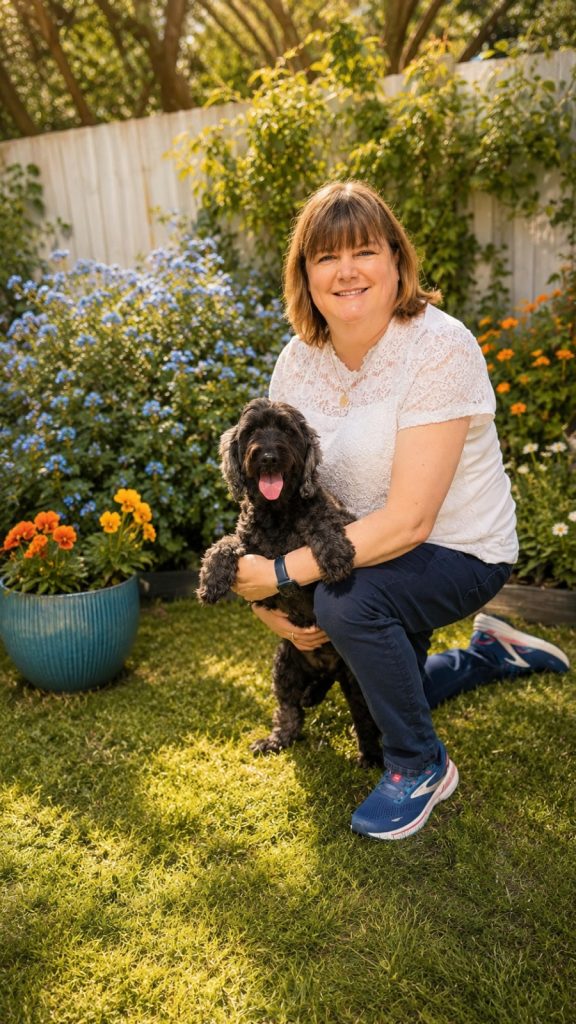
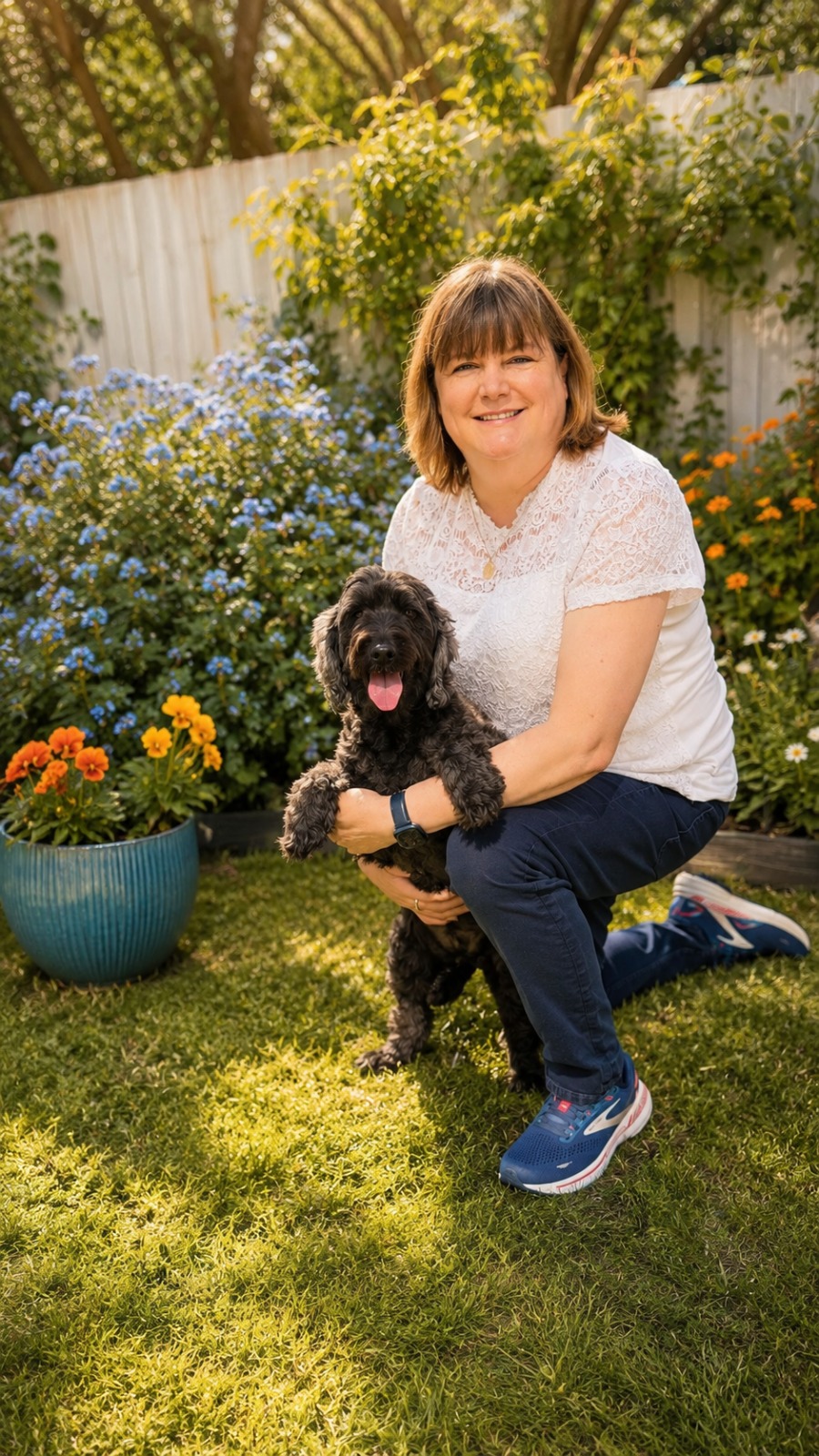
Losing a loved pet feels as hard and deep as losing a person, sometimes more so. Coming home or getting up in the morning and feeling the quiet and absence of them, the unconditional love they gave and not being able to watch their funny antics or simply watching them sleep. I’ve lost count of the hours I’ve just sat and watched my beloved dog just sleeping. My dog has got me through many difficult times from cuddles on the sofa, to walks in the countryside and just being in nature with her.
Bereavement Support
Losing someone significant changes everything. Bereavement support helps you find your footing again and discover what life can look like now even if your relationship was complex. Bereavement can throw up conflicting emotions and physical symptoms which are entirely normal.
Most of my clients find their symptoms improve within a few weeks and they are better able to ride the change in intensity and frequency of the waves of grief as their brains and bodies cope with the shock and changes they are experiencing. Grief is as intense as the love for the person who has passed and lasts as long as that love.
Trauma Counselling
Trauma can leave you feeling stuck, overwhelmed or disconnected. Together we will work through it in a trauma informed way, to minimise any re-experiencing of the original trauma in the here and now and give you a practical toolkit to support you, at a pace that feels safe for you.
Services
Grief Counselling
Grief is one of the most profound human experiences. Just as the shock and numbness starts to ease after those first few months, the people you relied on for support can feel as though they have moved on. I understand what that feels like and am here to support you and give you a space to grieve for your loved one – Your pace, unique to you and your relationship with them.
What is Grief Counselling
It’s not about getting over grief, or moving on, it’s about learning what is happening physically in your body and brain and allowing yourself to be however you need to be.
Grief isn’t neat and tidy and doesn’t follow a set formula or a set period of time.
It can feel messy which can be difficult when you may already be feeling not in control over the loss of your loved one. It isn’t an illness to get over.
Who Grief Counselling can help
- The loss of a parent, partner, child, sibling or close friend
- Pet Bereavement - a loss that is often minimised but deeply felt
- Grieving before a person has passed, such as long-term illness and the gradual loss of how they once were
- Multiple losses over time that layer, not restricted to losing a person, can include but not limited to - losing a job, a difficult childhood, a difficult parental or partner relationship, adverse health
- Prolonged grief that feels stuck
- Grief that has been 'put on hold' and is now surfacing
Bereavement Support
Losing someone you love changes everything. Bereavement support gives you the tools and support to rebuild your foundations and start to navigate how life is now.
Bereavement support is about having a time, to talk about your loved one and whatever you are experiencing in a space where expectations don’t exist, and you don’t have to protect the feelings of others.
There is no set time for grief, you will always grieve for your loved one but not at the intensity or pain you experience after the numbness, and shock wears off after those early months as your brain and body adjusts.
What bereavement support looks like
- Help understanding and processing the emotions and physical reactions that come with bereavement
- Help with areas of your life you are finding difficult as a result
Trauma
What is Trauma?
Trauma is not just about what happened to you, it’s about what didn’t happen to you and how your body has stored that trauma, for example if it wasn’t safe as a child, or as an adult in a difficult relationship or you were unable to as you were dealing with a traumatic incident in a professional capacity as a member of the emergency services or military.
Trauma becomes a problem when traumatic experiences layer and build, perhaps we didn’t learn safe coping mechanisms as a child or our training teaches us to detach from the experience so we can do our job, but it rewires our brain and can lead to anxiety, depression, flashbacks, difficulty sleeping, anger and our appetites.
The good news is that by using breathing techniques, relaxation, guided mediation, mindfulness, walking in nature to recalibrate and start to build new ways of living.
If you’re struggling with something that happened – whether recently, years ago or a bereavement has brought up past experiences – and it’s affecting your daily life, trauma counselling can help
- Work -related trauma (including Emergency Services, Health Care workers, Prison Staff and Military)
My approach to Trauma Counselling
Feeling safe is important in all trauma work but can be difficult to access when your body is stuck. I will first explore and teach you techniques to help you to support and manage your body and emotions.
We will work on your experiences in a trauma informed way. We will work at your pace, sometimes I may slow you down, building your own unique toolkit before exploring anything difficult.
LGBTQ+ Grief, Bereavement and Trauma Counselling
Being part of the LGBTQ+ community can be isolating due to family dynamics or others’ beliefs and views and can make it more difficult to access LGBTQ+ specific support and understanding. Your support may look different; you may be surrounded more by the family you choose your friends than your original family and that can affect your expectations of how much support you feel you can access.
Session info
All my sessions are held online for a full 60 minutes, meaning you can access support from anywhere in the UK, from the comfort of your own home or in a private space at work or in your break.
Booking
On my website is a booking link. (accessed via my website link at the top of the page), available 24/7. You have access to your own client portal from that link, which is secure and GDPR compliant. From there you can check your appointments, book, reschedule, check and pay for your sessions prior to your appointment by debit or credit card.
My working days are Tuesdays and Thursdays 1100-1930 and Saturdays 0900-1300.
Other appointments may be available, so please drop me a line to discuss your availability.
You don't have to commit to weekly sessions although this is helpful in the early stages of building the relationship with each other.
As our work together progresses, some clients move their appointments to fortnightly or monthly sessions.
Many of my clients tell me they feel more comfortable online in their own environment – I love that online counselling removes so many of the practical barriers to accessing quality support such as long-term health conditions, disabilities, travel and work.
What previous clients say about working with me
Previous clients tell me they feel validated, they can tell me anything, without me being shocked or being judged.
There is a 48hr cancellation window. All appointments need to be paid for in advance prior to the 48hrs or rescheduled, otherwise the full fee is payable. Appointments are shown as pending and become confirmed once payment is received.
Reminder emails with your zoom link are sent 3 days prior to your appointment which also helps with the 48hr cancellation/payment reminder. A further email with your zoom link is sent the day before your session to save you trawling through emails to find the link.
- Acceptance and Commitment Therapy (ACT)
- Attachment theory (Psychodynamic)
- Cognitive Behavioural Therapy (CBT)
- Dialectical Behaviour Therapy (DBT)
- Gestalt
- Integrative
- Person-Centred
- Psychodynamic
- Relational
- Transactional Analysis
- Cross-dresser
- Gay
- Intersex
- Lesbian
- Neurodivergent
- Non-binary | Genderqueer
- Queer
- Questioning
- Trans
- One to one
- No adaptation
- Adults
- Young adults (16-24)
- Online
£65 for 60 minute session
£60 for 60 minute session Concessionary rate for Emergency services/Military/Students
Free initial 20 minute phone consultation.
Availability
Tuesday 1100-1930
Thursday 1100-1930
Saturday 0900-1300
Sorry, no records were found. Please adjust your search criteria and try again.
Sorry, unable to load the Maps API.